How Carp Tycoon Was Made: Building a Fishing Management Game
Most fishing games put you on the bank. We wanted to sit you in the office behind it. This is the honest story of how Carp Tycoon came together — the good decisions, the ones we reversed, and what it actually takes to build a management sim as a small indie team.
Where the idea came from
Carp Tycoon started, as a lot of good ideas do, with a mismatch. We loved fishing games for their atmosphere and management sims for their depth — but nothing combined the two. There were plenty of games about catching carp and plenty about running a theme park, hospital or zoo. Nobody had made a game about running a commercial carp fishery, despite it being a genuine, thriving business with rich systems underneath: stocking, water management, ground layout, seasonal demand, reputation.
That gap was the whole pitch. A subject we understood, a genre we loved, and a combination nobody had tried. It also fit our studio philosophy neatly — we care about grounded subjects, not fantasy for its own sake.
Finding the core loop
The first prototype was embarrassingly simple: a single lake, a stocking screen, and a day counter. You'd add fish, set a day-ticket price, advance time, and see whether anglers turned up and whether they caught anything.
It was ugly, but it answered the only question that mattered early on — is there a satisfying loop here? The moment it clicked was when we added carrying capacity: overstock a lake and the fish stop growing, catches spike then crash, and your reputation with it. Suddenly a decision had a genuine downside. That single trade-off turned a spreadsheet into a game.
If your first prototype isn't a little embarrassing, you probably spent too long on it before testing the idea.
Simulating a living fishery
The hardest — and most rewarding — part was making the lake feel alive. We didn't want fish to be inventory. We wanted them to be a population.
So fish in Carp Tycoon grow over time based on stocking density, water quality and season. They spawn. Certain individuals grow into named specimens that draw anglers from across the country hoping to bank a new personal best. Anglers themselves are simulated too: they have preferences, budgets and expectations, and they talk. A well-run venue spreads by word of mouth; a neglected one empties out the same way.
Getting that balance right meant a lot of tuning. Early on the simulation was too punishing — one bad season could sink you permanently, which felt unfair rather than challenging. We spent weeks softening the failure curves so that mistakes are recoverable but still meaningful. That's the constant tightrope in a management sim: consequences that teach, without consequences that punish you out of the game.
The art direction
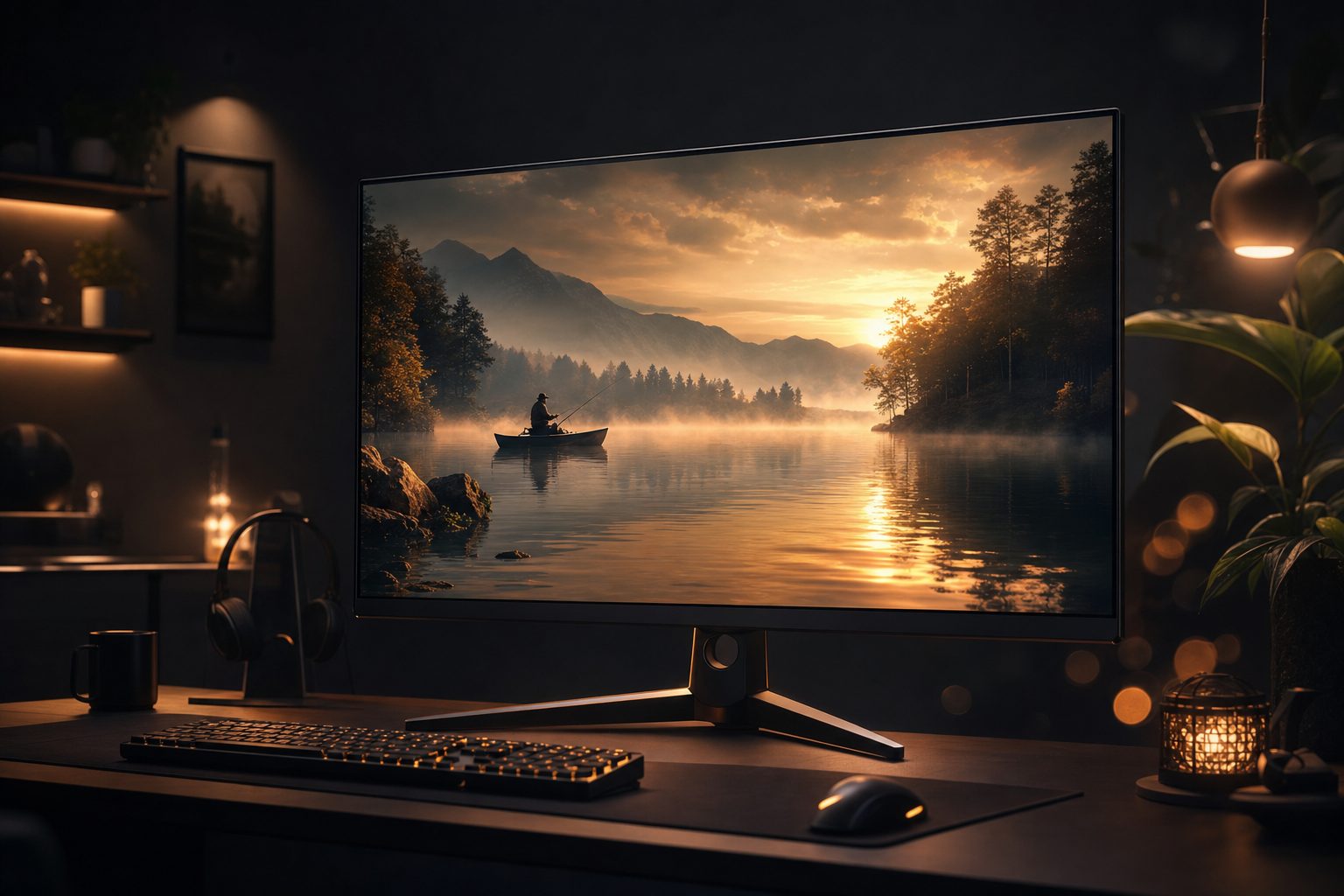
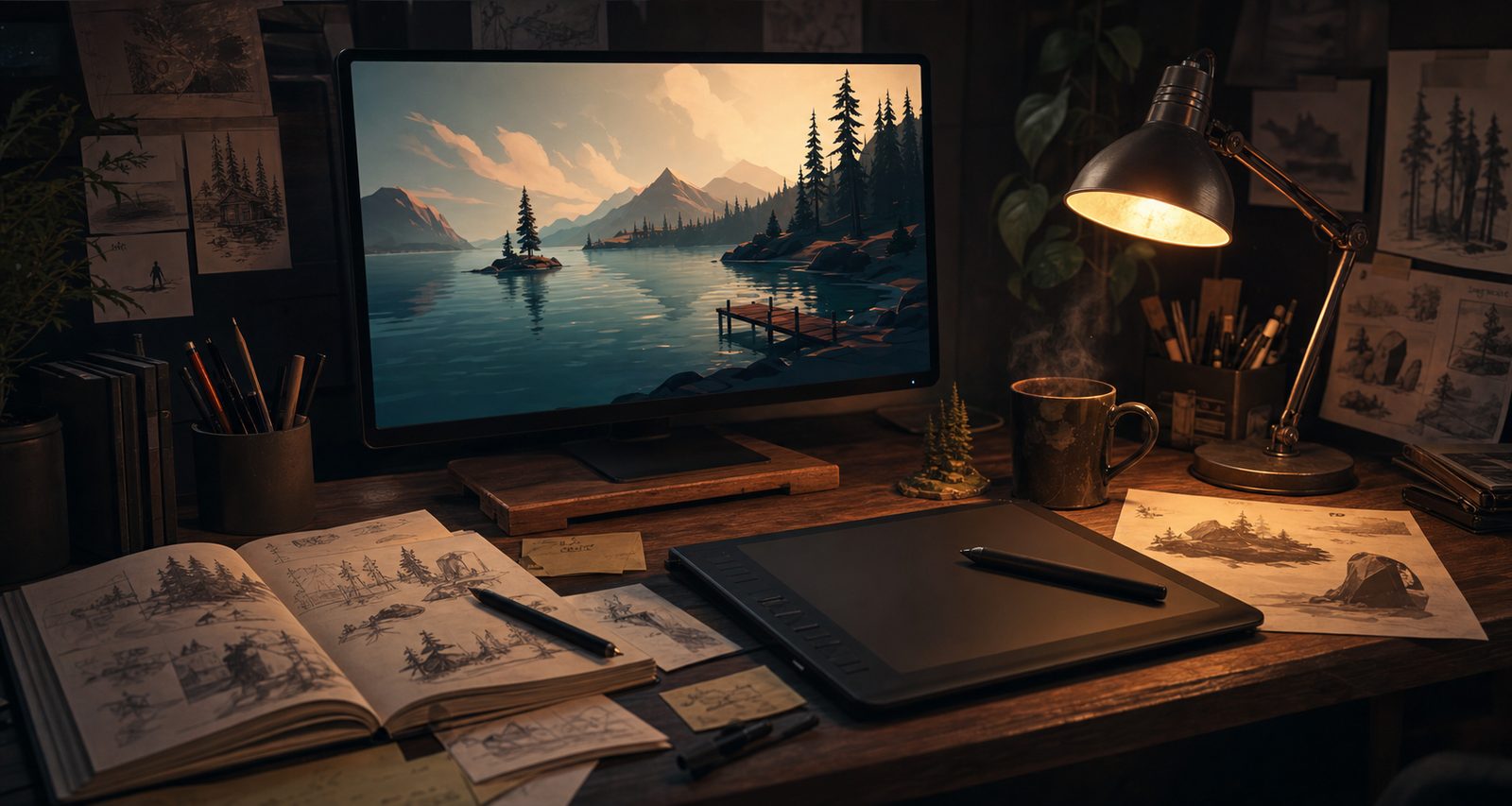
We made an early call to avoid the bright, cartoonish look of a lot of casual sims. Carp fishing has a particular atmosphere — misty dawns, still water, the golden hour on the bank — and we wanted the game to feel like that. Deep, moody, restrained. Our players skew older and take the subject seriously, so the presentation needed to as well.
That decision shaped everything from the colour palette to the UI. It's harder to make an atmospheric sim than a colourful one — you can't hide rough edges behind cheerful noise — but it's the right fit for the audience and the subject.
The realities of indie development
A few honest lessons for anyone building their own game:
- Scope is the enemy. Every feature we cut made the game better, because it let us finish the ones that mattered. Named specimens made the cut; a full weather-radar minigame did not.
- Playtesting beats opinions. We were certain players would love managing staff rotas. They didn't — they wanted to spend their attention on the water. We listened.
- Systems first, content later. A deep set of interacting systems generates variety for free. Hand-authored content doesn't scale for a small team.
- Ship the philosophy, not just the features. No pay-to-win, no dark patterns, no nagging timers. That's a design constraint, but it's also the whole point.
What's next
Carp Tycoon is still growing, and its sibling Farm Tycoon applies the same philosophy to a different living system. If you're interested in the craft of management sims, you might enjoy our beginner's guide to the genre, or our take on why tycoon games are having a moment in 2026.
The best way to follow development — and to shape it — is our Discord. We read everything, and a surprising amount of the game exists because a player suggested it.
Written by the Elite Studios Team. We build management sims worth mastering — starting with Carp Tycoon and Farm Tycoon.